Thursday, July 25, 2013

International Folk Art Market--Celebrating 10 Years of Bringing the World Together

By Jasmine McBeath

From the moment I learned about the International Folk Art Market, I knew I had to visit the one-of-a-kind fair that empowers artisans and sustains traditions from across the globe. 

I got my chance the weekend before last, and even the rain couldn't dampen my spirits. The market seemed endless as we visited hundreds of vendors from sixty different countries and were serenaded by a Latin folk fusion band. I knew I had to buy something; with 90% of sales going directly to the artists, the market profits help sustain entire communities. In 2012, an average booth made $18, 253. That's more than ten times what artists might make in a year in their home countries.

Meeting artists in person and seeing their crafts was inspiring. A painter from Cuba saw us eyeing her "Gallo SoƱador," a rooster standing proudly in front of a bright cityscape. She explained that their artists paint like children, with open minds. If they feel the sky is yellow, then it is so and no one tells them differently.  She said this to us in Spanish, not pausing to ask if we understood. I translated for my friends later, but even in the moment everyone understood her passion. I couldn't help but admire her confidence. She was like the colors she described: she didn't need to change anything to fit, and she didn't let anyone tell her differently. We went back at the end of the day to see the rooster again, but someone had already bought the painting.

My biggest purchase was at Nusulah's stand, showcasing raffia and banana stalk baskets from Uganda. They were beautiful, though what drew me in was their straw-like scent. I picked one up and remembered the baskets that decorated our kitchen counters when I was a child. My grandparents gave them to us when they returned from their Peace Corps stay in Kenya, and I used to smell the raffia every time I took an apple from our fruit bowl. Childhood memories aside, I was happy to support Uganda Crafts 2000. The fair trade retailer creates jobs for widows, orphans, and people with disabilities; preserves artistic traditions; and fosters environmental and economic sustainability.

As impressive as it is, Uganda Crafts 2000 is not alone in its compelling background and mission. The IFAM is full of success stories, strengthening artisan cooperatives in Brazil, creating livelihoods for women in rural Indian, fostering opportunities for girls in Pakistan, and changing the future for children in Madagascar.

Below is an especially moving piece illustrating how the market changed the lives of silk weavers and their community in Sandrandahy, Madagascar:


The stories go on and on, and I wish we could have spoken with everyone. As we were leaving, and a poster caught my eye. It boldly announced, "It's not a market, it's a miracle."  As Oxfam's well aware, empowering people to influence decisions that affect them and improve their lives really does cause wondrous changes. I thought of the artists I'd met on the way home as I held Nusulah's basket in my lap and imagined the dreaming rooster riding in someone else's car.


Monday, July 22, 2013

Project Share Dinner

by Jasmine McBeath


Last Tuesday I spent the majority of my day chopping--onions, tomatoes, squash, mushrooms, and potatoes. As I'm still learning the art of cooking, I was more than happy to cut veggies and take orders from our head chef Kathy Chavez. And, under her fearless direction, we prepared food for 180 people at Project Share in a little under four hours.


It all began when one of our volunteers, Pat Zimmerman, asked if Oxfam could partner with a local organization to provide fresh produce to hungry people. Everyone thought applying the GROW Method was a great idea, so Pat and Kathy met with the director of Project Share the next week and learned more about the nonprofit that has been feeding hungry people in Albuquerque for almost thirty years. I was impressed to learn that Project Share is open six nights a week and serves nearly 40,000 meals a year. Plus, almost all their meals come from the generosity of churches and civic groups. 

The meeting was a great intro to Project Share. We still need to discuss further the idea of delivering produce on a regular basis and increasing community participation at the on-site garden. Long-term, we recognize it's important for Oxfam to partner in a way that raises awareness, educates, and empowers the community. For the time being though, we learned a lot about the site and had a great time preparing and serving dinner at Project Share on Tuesday.


We took on the challenge of creating a GROW meal from donations, farmers market produce, and a few choice meat and cheese items. We made enchiladas (more veggie than meat), rice, refried beans, calabacitas, papas, green chili, and served these with a side of watermelon and fresh green salad. 


Diners had nothing but compliments and many sang praises to the New Mexican flavors. Others appreciated the flowers in recycled glass bottles that decorated each table. I was grateful for everyone's help in the kitchen and the team effort that transformed so many raw ingredients into a wonderful meal.  I believe Pat said it best with, "It was hot, intensive work, but all involved came away with a full stomach and a little more joy in their hearts. We look forward to another foray into the battle against hunger."


Thank you!

Dinner Organizers/Coordinators

Kathy Chavez and Pat Zimmerman

Head Chef

Kathy Chavez

Project Share Employees

Ernest Jaramillo and Noel Aragon

And a shout out to our WONDERFUL volunteers!

Gloria
Jasmine
Jesse
Kalen
Kathy
LaVita
Pat Z.
Patricia B.
Tessa
Tomas

Thursday, July 11, 2013

Summer is here--a great time to GROW

The ‘GROW Method’

Here are five easy ways to change the way you shop, cook and eat to make the food system work better for everyone:
Support small-scale farmers
SupportWe need to protect the 1.5 billion people living on small farms around the world growing food to feed themselves, their families and their communities. Looking out for Fair Trade products and brands when we shop is a great way of doing this and it gives us a connection to producers that we have lost.
Save food
Save food
In rich countries, we throw away almost as much food every year as consumers as Sub-Saharan Africa produces in a year (222 million tonnes), creating harmful greenhouse gases when it ends up at a landfill. We can create less waste by storing our fruit and veg better and using up leftovers in inventive ways.
Cook smart
Cook Smart
Turning your stove down to simmer after the water in your pan has boiled may seem like a small thing but if all urban households in Brazil, India, the Philippines, Spain, UK and US did it every time they cooked for a year, over 30 million megawatt hours of energy could be saved. The benefit for the environment would be greater than if these same households each planted a tree seedling and let it grow for ten years. And what about if sometimes you used no heat at all?
Buy seasonal
Seasonal
A lot of energy is wasted creating the conditions to grow out of season. By discovering what’s growing near us, we’ll find fruit and veg that not only tastes sweeter because it's in season, but is also using a lot less energy to get to our plates.
Less meat and dairy
Less meat
Think you know what you’re putting in your chilli con carne? You might be shocked to read that a 500g packet of beef contains 6,810 litres of water. OK not literally, but that is how much water is needed to produce just enough meat for one meal. If just one family swapped beef for beans in their chilli, they could save nearly 6000 litres of water in just one meal, creating less harmful greenhouse gas emissions from food production and cattle, in the process.

Wednesday, June 12, 2013

Our Local Sunspot: The Downtown Growers Market


By Kathy Chavez

Jenny and her family from East Mountain Organics

The Downtown Growers Market is open again for business, and so, my favorite time of year is here! With the market running and summer in full swing, it's easier than ever to eat seasonally, shop locally and support small-scale farmers. The freshest produce, eggs, meat, and now even fish (harvested sustainably from Seattle) can be found along with locally made gifts. 


Nikki Zabicki Urban Fashion and Decor portrait
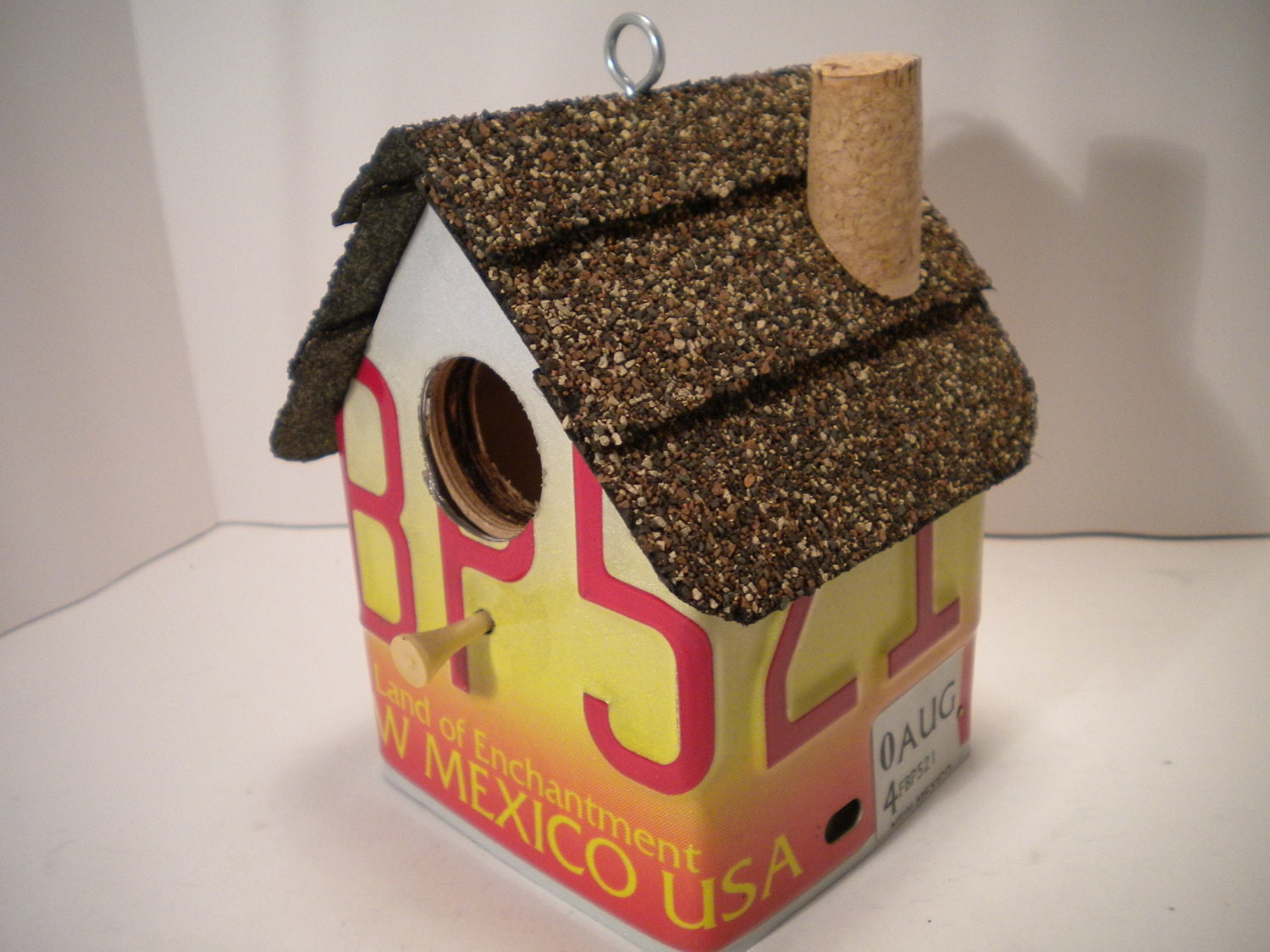
New Mexico License Plate BirdhouseA few weeks ago I bought a unique bird house made from a New Mexico license plate and cards featuring photographs from around town. You can also find paintings, pottery, stonewear, wood sculptures, jewelry, clothing, dolls, and beauty products. Overall, the Growers Market makes shopping a fun event with live music, dancing, and pet adoptions. What can I say, it's better than dancing like no one is watching. Last Saturday my friends and I had so much fun, eating, laughing, and visiting with farmers.  


The downtown market started on May 18th and runs every Saturday 7am to 12pm at Robinson Park until November 2nd. Check out highlighted products each week and the schedule of performers. 


For a farmers market near you go to  www.farmersmarketsnm.org.  Some markets are held in the middle of the week and at local hospitals or schools. The University of New Mexico Hospital, the Veteran’s Hospital, and Presbyterian all host growers markets. My personal favorite is still the Downtown Growers Market.  Stay tuned for more market adventures.  Maybe I'll see you there next week!
Debbie from Crack Pot Herbs


Edited by Jasmine McBeath

Friday, May 10, 2013

The Year In Review


Last month marked the end of the 2012 Action Corps season. The overwhelming success of last year means there's a lot to live up to, though I'm confident there are good things in store for 2013. Before we move on, I want to take a moment to recognize all we've accomplished this past year.


Nationwide, Oxfam Action Corps gathered over 10,000 petition signatures, did 105 lobby visits, organized 503 events, and performed outreach at 142 concerts, farmers markets, and campus events. 2012 ushered in the second year of the global GROW movement and the unveiling of the Behind the Brands campaign.


The momentum behind the Behind the Brands campaign is especially significant. Nestle, Mars, and Mondelez agreed to major policy changes less than two months after OAC volunteers took to the streets to demand fair treatment for women. Considering there are 40 million farmers whose livelihoods depend on cocoa, and these companies control 30 percent of the market, these are some big changes. 


Here in Albuquerque we were proud to participate in the Behind the Brands unveiling and year-long promotion of the GROW Method. World Food Day events in October were a highlight, with outreach to restaurants serving local food and our first big community dinner made from Growers Market leftovers.

Coordinating the 100 person Hunger Banquet and presenting at the IMPACT Conference was equally rewarding. We've also made some great partners with Bread, Nourish, Community Bricolage, Interfaith Power and Light, Food Corps, and more. Finally, I'm excited for more volunteer fun with picnics, Explora Science of Food nights, and movie screenings such as Half the Sky. We couldn't have pulled off any of our events without support from headquarters and our wonderful team of committed volunteers, so to them I owe a big thank you.  
 
Whew--what a stellar year! Here's a look at what's in store and more about our incoming co-leads:

Katherine Chavez was born and raised in New Mexico. She joined the US Navy at age 19 and served four years before moving to Hanford, California where she worked as a bartender at a Mexican restaurant. Kathy currently works as a pediatric nurse at the University of New Mexico Hospital. She became involved with Oxfam at Albuquerque’s downtown growers’ market and later found herself volunteering in a kitchen full of great fresh food and wonderful, fun people. Kathy is excited to join the New Mexico Oxfam Action Corps as a new co-organizer and can't wait to do outreach at concerts and the Growers Market.

Jasmine McBeath is from Arizona, but moved to Albuquerque a year ago. She works at Big Brothers Big Sisters, offering support to volunteers, families, and children. She finds the work extremely rewarding (with the added benefit that it helps her practice her Spanish). When she returned from her year in Brazil, she wanted to continue learning about development work and low-and-behold she found Oxfam. She has been a leader for the New Mexico Action Corps this past year and is thrilled to be back on board. Jasmine is looking forward to training new volunteers and organizing a big community dinner on World Food Day in October.

And we can't forget last year's organizers, back for more OAC action!

Kalen Olson was a peer facilitator for the spring Oxfam Action Corps training in DC. This past year, she organized with Jasmine for the New Mexico chapter and worked as Alumni Relations Coordinator at the University of New Mexico College of Pharmacy. She loves food and teaching hip-hop. Here she is pictured with her brother Ryan, back home in Washington at the Fort, celebrating the 4th of July at the biggest fireworks display west of the Mississippi. Kalen is excited to keep spreading the word about Oxfam's work through restaurant outreach and tabling around town. 

Monday, May 6, 2013

Dinner at the Dismas House

by Jasmine McBeath


Half a year after meeting Kathy Chavez, our community chef extraordinaire, I'm still wowed by how she can put together a meal from whatever food is laying around the kitchen, including those pesky leftovers challenging you from the fridge. This past Friday I saw Kathy in her element as she coordinated from the kitchen of the Dismas House. I was content chopping vegetables, while other Oxfam volunteers plus Dismas' staff and residents prepared appetizers, dessert, and side dishes.

I first learned about the Dismas House from Greg Heilers, one of our Oxfam volunteers. Greg is part of the house staff and told me how the program helps adults on probation and parole transition into society. On Friday I received the full tour and learned there are actually multiple buildings on the property that house 17 residents at any time and almost 100 residents throughout the year. Their Volunteer Dinner Program is a way for residents to meet new people and network for jobs and housing opportunities. For us, it was a fun way to spend a Friday evening, with good food and even better company.


One resident from Las Cruces lamented that the red chile made him miss home. Most everything from the dinner was local following the GROW Method, from the beans harvested in Estancia to the carrots grown at Skarsgard Farms. Kathy even provided a healthy twist on local recipes such as turkey adovada, a delicious dish made with potatoes, red chile and turkey. Of course, no meal would be complete in New Mexico without either red or green chile. We were lucky enough to have both.


 We started talking about New Mexico in the context of food, and soon we were discussing water rights, conservation, and solar power. A number of Dismas House residents had experience installing solar panels and were passionate about the environment.  We also touched on things everyone can do, such as eating less meat or using less water when cooking or brushing your teeth.

More importantly, we shared our experiences and what brought us to Albuquerque. Kalen and I were particularly moved by a resident who said he's extremely grateful to be where he is now and couldn't be more excited to live his life. It was a good reminder for me, and at the end of the night, I felt the same way.

Thank you Dismas House for the warm welcome!


And...a final shout out to our volunteers: Greg (pictured above), Pat, Kathy, and Kalen